By Mark Hayward, LMT (FL MA59286), Upledger CST Level 1 | Creating Change LLC, Clearwater, FL | 7-minute read
The short answer Craniosacral therapy (CST) is a hands-on, light-touch therapy that focuses on the membranes and fluid surrounding the brain and spinal cord. The pressure used is typically no more than about 5 grams, roughly the weight of a nickel (Upledger Institute). You stay fully clothed, and most people find it deeply calming. Clients often seek it out for headaches, neck and back pain, anxiety, and whole-body tension.
When people hear “bodywork,” they usually picture deep pressure and elbows. Craniosacral therapy is the opposite. It is quiet, slow, and subtle, and for many of my clients in Clearwater it has become the session they did not know they needed. I trained through the Upledger Institute, the organization founded by the physician who developed the method, and I use CST both on its own and blended with massage.
Where Craniosacral Therapy Came From
CST was developed by Dr. John E. Upledger, an osteopathic physician. After observing a rhythmic movement in the membrane around the spinal cord during a surgery in 1970, he went on to research the craniosacral system at Michigan State University from 1975 to 1983 (Upledger Institute). Today the Upledger Institute trains practitioners worldwide, including massage therapists, physical therapists, and osteopaths.
How Craniosacral Therapy Works
Your brain and spinal cord are surrounded by protective membranes and cerebrospinal fluid. This is the “craniosacral system,” running from the skull (cranium) to the tailbone (sacrum). The idea behind CST is that restrictions in these tissues can affect the central nervous system, which, as I like to tell clients, is the boss of your entire body.
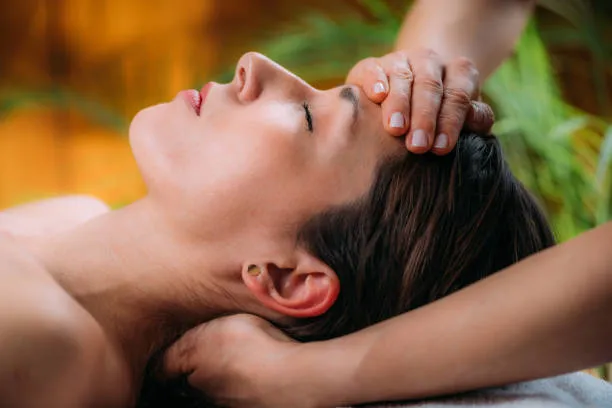
During a session, I use very light touch to feel for ease of motion and rhythm at different points: the skull, the base of the neck, the diaphragm, and the sacrum. Where I notice restriction, I use gentle holds and subtle releases to encourage the tissue to soften. There is no cracking, forcing, or deep pressure.
What the Research Says
CST is still an emerging area of research, and I think you deserve an honest picture:
- A 2019 systematic review and meta-analysis of 10 randomized controlled trials (681 patients) found that CST produced significant short-term improvements in pain intensity and functional disability for chronic pain compared with usual care and sham treatment. No serious adverse events were reported (Haller et al., BMC Musculoskeletal Disorders).
- The same authors noted that more rigorous, long-term research is still needed. In other words: promising, not proven.
I do not present CST as a cure for anything. I present it as a gentle, low-risk way to help your nervous system settle, which is often the missing piece when pain and stress have been feeding each other for months or years.
Who Might Benefit from Craniosacral Therapy?
In my practice, clients most often book CST for:
- Migraines and tension headaches
- Neck and shoulder pain, especially the kind that tightens with stress
- Low back pain
- Anxiety and trouble unwinding
- Overall body tension that does not respond well to deep pressure
It is also a strong option for people who are sensitive to touch, recovering from a hard season of life, or simply not ready for traditional massage.
When CST is not recommended
According to the Upledger Institute, CST is not appropriate for conditions where changes in pressure inside the skull are a concern, such as a recent skull fracture, acute aneurysm, recent brain bleed, or non-shunted hydrocephalus (Upledger FAQ). If you have a serious medical condition, check with your doctor first.
What to Expect During Your First Session
- A short conversation. We talk about what is going on, what you have tried, and what you want to feel.
- You stay fully clothed. You lie on a padded table, usually face up.
- Light, still holds. I place my hands gently at the head, neck, ribs, or sacrum. Much of the work looks like very little is happening.
- Deep relaxation. Many clients drift into a near-sleep state. Some notice warmth, tingling, or a sense of release.
- Afterward. Most people feel calm and a little heavy. Drink water, take it easy, and notice how you sleep that night.
Craniosacral Therapy Options at Creating Change
| Session | Length | Price | Best for |
|---|---|---|---|
| Full Protocol | 1 hour | $75 | A complete CST session focused on the craniosacral system |
| Craniosacral Blend | 1 hour | $85 | 50/50 craniosacral work and massage |
| Craniosacral Plus | 1.5 hours | $125 | Full CST plus 30 minutes of massage. My most effective treatment. |
See full details on the craniosacral therapy page. If you are weighing CST against traditional bodywork, my guide to Medical Massage vs. Relaxation Massage walks through how each approach fits different needs, and my full list of massage services is here.
Pairing CST with Mind-Body Practices
CST works on the nervous system from the outside in. Breathwork, meditation, and qigong work from the inside out. Together, they help you build a calmer baseline that lasts longer than any single session.
- Start with the simple techniques in Conscious Breathing.
- Explore why a daily practice matters in my four-part series, beginning with Why Meditate? (Part 1).
- Make it stick with the ideas in The Science of Habits.
- Or join a small group through my mind-body practices, including qigong, meditation, and Yoga Nidra.
And if your neck tension keeps coming back, posture may be driving it. My post on Tech Neck and Low Back Pain explains what to look for.
Frequently Asked Questions
Does craniosacral therapy hurt?
No. The touch is extremely light, about the weight of a nickel. Most clients describe it as one of the most relaxing sessions they have ever had.
How many craniosacral sessions will I need?
It varies. Some people notice a difference after one visit. Others benefit from a series of sessions over several weeks. We will discuss a plan based on how your body responds.
Can craniosacral therapy help with migraines?
Many clients seek CST for migraines and tension headaches, and research on CST for chronic pain shows promising short-term results. It is best viewed as supportive care alongside the guidance of your healthcare provider, not a replacement for it.
Is craniosacral therapy the same as massage?
No. Massage works directly on muscles and connective tissue with moderate to deep pressure. CST uses very light touch and focuses on the craniosacral system and nervous system. My Craniosacral Blend and Plus sessions combine the two.
Do I need to undress for craniosacral therapy?
No. You remain fully clothed for CST sessions. Wear something comfortable.
Where can I get craniosacral therapy near Clearwater?
I offer CST inside Blue Lotus Treatment Center at 306 S. Prospect Ave., Clearwater, FL 33756, serving clients from Largo, Seminole, Belleair, Clearwater Beach, Indian Rocks Beach, and the greater Tampa Bay area.
Ready to Try Something Gentler?
If deep pressure has not worked for you, or your body is asking for a quieter kind of reset, craniosacral therapy may be the right next step. Book online, call 727-519-8786, or read more about Mark and my training.
Medical disclaimer: This article is for educational purposes and is not a substitute for medical advice. Craniosacral therapy is not intended to diagnose, treat, or cure any disease.
References
- Haller H, Lauche R, Sundberg T, Dobos G, Cramer H. Craniosacral therapy for chronic pain: a systematic review and meta-analysis of randomized controlled trials. BMC Musculoskeletal Disorders, 2019.
- Upledger Institute International. CranioSacral Therapy: Frequently Asked Questions.
- Upledger Institute International. Our Founder: Dr. John E. Upledger.