By Mark Hayward, LMT (FL MA59286) | Creating Change LLC, Clearwater, FL | 7-minute read
The short answer If you have a specific problem, like a neck that won’t turn, low back pain after a long week, or a shoulder that keeps nagging, medical massage is built to target it. If your body feels fine but your nervous system is running on fumes, a relaxation-focused session is the better call. Most people who walk into my Clearwater office need a little of both, which is why I blend techniques instead of forcing anyone into one box.
I have been a licensed massage therapist in Florida since 2010. Early in my career I worked alongside a chiropractor and a Doctor of Osteopathic Medicine, and that experience shaped how I think about massage: not as a luxury, but as a tool. Some days that tool is precise and clinical. Other days it is about helping someone finally exhale. Knowing which one you need is the first step to getting real results from your time on the table.
What Is Medical Massage?
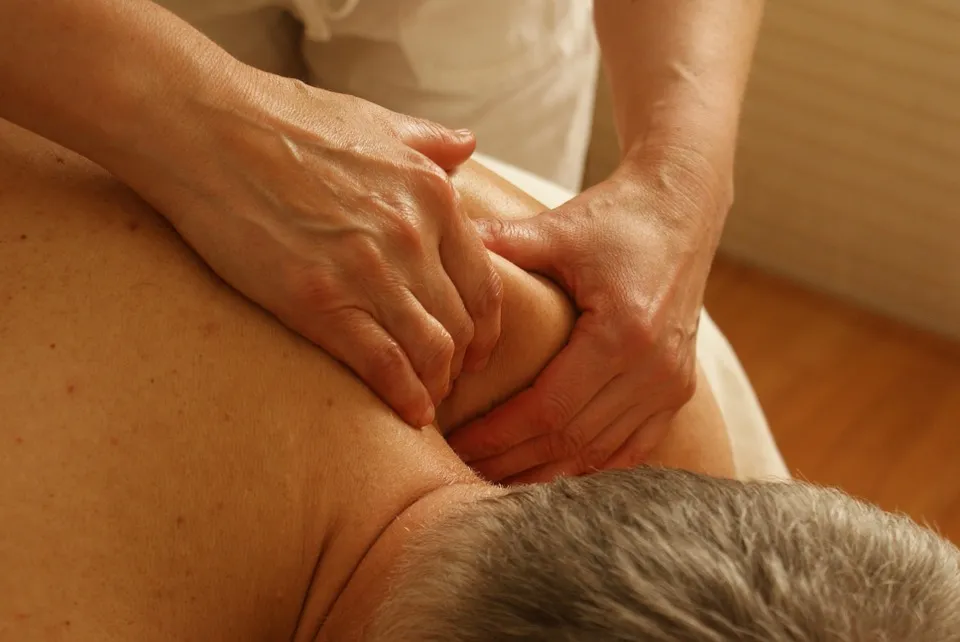
Medical massage is outcome-based. Instead of working the whole body evenly, it focuses on one to three problem areas tied to a specific complaint, such as low back pain, neck and shoulder tension, a strained muscle, or restricted range of motion after an injury. The session starts with a quick assessment, and the work is aimed at a measurable change: less pain, more movement, better function.
In my practice, medical sessions are offered in two lengths: a 30-minute session (two treatment units) and an extended 45-minute session (three units). Depending on what your body needs, these can include electronic devices, traction, and hot or cold packs. With a prescription from your provider, insurance may apply. (Coverage varies by plan, so call your insurer first.)
Techniques commonly used in medical massage
- Myofascial release: slow, sustained pressure that works on the connective tissue (fascia) wrapped around your muscles.
- Neuromuscular therapy: targeted pressure on trigger points, those tender knots that can refer pain to other areas.
- Traction and thermal therapy: gentle decompression paired with heat or cold to calm irritated tissue.
What Is Relaxation Massage?
Relaxation massage, often built on classic Swedish technique, uses long, flowing strokes, kneading, and rhythmic pressure across the whole body. The goal is not to “fix” one spot. It is to shift your nervous system out of fight-or-flight and into rest-and-repair mode.
That matters more than people think. Chronic stress shows up in the body as clenched jaws, raised shoulders, shallow breathing, and poor sleep. A session designed to downshift all of that can be exactly what your body has been asking for. My longest option, the two-hour Bliss Blend, adds hot stones, hot towels, and aromatherapy for a full reset.
What to Expect from Your Session
Every body is different, and I design each session around what yours is telling me that day. If you come in with low back pain, I will assess what is going on before we start and adjust pressure, technique, and focus as we go. If you come in carrying a week of stress, I will follow your lead there too.
What massage does well is help your body let go. Tight muscles soften, tension eases, and most people leave feeling noticeably different from when they walked in. For many clients, those benefits build over time with regular sessions.
My goal is steady, realistic progress, not a one-session fix. After each session, I will tell you what I noticed on the table, what I recommend for next time, and how often I think we should work together to get you where you want to be.
Whether this is your first massage or you have been coming in for years, you will get my full attention for the entire session.
Medical vs. Relaxation Massage: Side-by-Side
| Medical Massage | Relaxation Massage | |
|---|---|---|
| Primary goal | Reduce pain and restore function in a specific area | Reduce stress and whole-body tension |
| Focus | 1–3 targeted areas | Full body |
| Pressure | Varies; often deeper and more specific | Light to moderate, flowing |
| Session length | 30 or 45 minutes | 60 minutes to 2 hours |
| Best for | Injury recovery, back and neck pain, trigger points | Stress, poor sleep, general tension, self-care |
| Insurance | May apply with a prescription | Typically self-pay |
How to Choose: A 30-Second Self-Check
Ask yourself these questions before you book:
- Can you point to where it hurts? If yes, lean toward medical massage or a Blend session with focus work.
- Is the pain tied to an injury, a diagnosis, or a doctor’s referral? Medical massage, and ask your provider about a prescription.
- Are you mostly stressed, wired, or not sleeping well? A relaxation-focused session or the Bliss Blend.
- Do you train, run, golf, or play pickleball? Consider a sports massage (see below).
- Is it a mix of all of the above? Book a 60- or 90-minute Blend. That is what it was built for.
Where Sports Massage Fits In
Sports massage sits between the two. My 60-minute sports sessions start with an assessment, then combine soft tissue work with active stretching to support recovery and performance. It is a strong fit for active adults around Clearwater, Largo, and Seminole who want to keep training without breaking down.
Why I Usually Recommend a Blend
Bodies do not come in categories. A client with low back pain is often also stressed, and a stressed client usually has a trouble spot or two. My signature Blend sessions combine Myofascial Release, Swedish, and Neuromuscular techniques in one visit:
- 60 minutes: focus work on one to three areas, or full-body relaxation.
- 90 minutes: full body plus focused work on one to two areas.
- 2-hour Bliss Blend: therapeutic and relaxation work with hot stones, towels, and aromatherapy.
You can see current pricing for every option on my massage services page. If headaches, jaw tension, or anxiety are part of the picture, craniosacral therapy can be a gentler complement. I explain how it works in What Is Craniosacral Therapy?.
How to Make Your Results Last Between Sessions
The hour on my table is important. The other 167 hours of your week matter more. A few habits that make a real difference:
- Move the area you had worked on. Gentle mobility the same day helps your body keep its new range of motion. My post on Understanding Corrective Exercise explains why.
- Support muscle recovery with nutrition. Magnesium plays a role in muscle contraction and relaxation. Learn more in All About Magnesium, and check with your doctor before starting a supplement.
- Breathe on purpose. Slow, deliberate breathing extends the calm you feel after a session. Try the techniques in Conscious Breathing.
- Fix the pattern, not just the pain. If the same spot flares up every few weeks, posture and movement habits are usually involved. Read Tech Neck and Low Back Pain for the three areas I assess first.
Frequently Asked Questions
Is medical massage the same as deep tissue massage?
Not exactly. Deep tissue describes pressure. Medical massage describes purpose. A medical session may use deep pressure, but it can just as easily use gentle myofascial work, traction, or heat, depending on what the tissue needs.
Does insurance cover medical massage in Florida?
It can. At Creating Change, insurance is accepted for medical massage sessions with a prescription from your healthcare provider. Coverage depends on your plan, so confirm benefits with your insurer before your visit.
Will medical massage hurt?
It should never be more than a “good hurt.” Some targeted work can feel intense, but we will communicate throughout the session and adjust pressure to your comfort level. Pain that makes you brace or hold your breath works against the goal.
How often should I get a massage for chronic pain?
It varies. Many clients start with weekly or biweekly sessions for a few weeks, then space them out as symptoms improve. Pairing massage with corrective exercise usually means you need fewer sessions over time.
What should I wear to a massage appointment?
Wear whatever is comfortable. For most massage sessions you undress to your comfort level and are draped with a sheet at all times. For sports massage with active stretching, loose athletic clothing works well.
Where is Creating Change located?
My office is inside Blue Lotus Treatment Center at 306 S. Prospect Ave., Clearwater, FL 33756. I work with clients from across Pinellas County, including Largo, Seminole, Belleair, Clearwater Beach, and Indian Rocks Beach.
Ready to Feel the Difference?
Whether you need targeted relief or a full reset, I will help you choose the right session and build a plan that fits your body. Book online, call 727-519-8786, or learn more about Mark and my approach.
Medical disclaimer: This article is for educational purposes and is not a substitute for medical advice. Talk with your healthcare provider about any new or worsening pain.